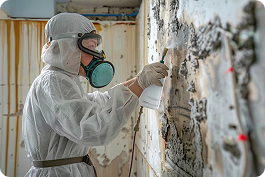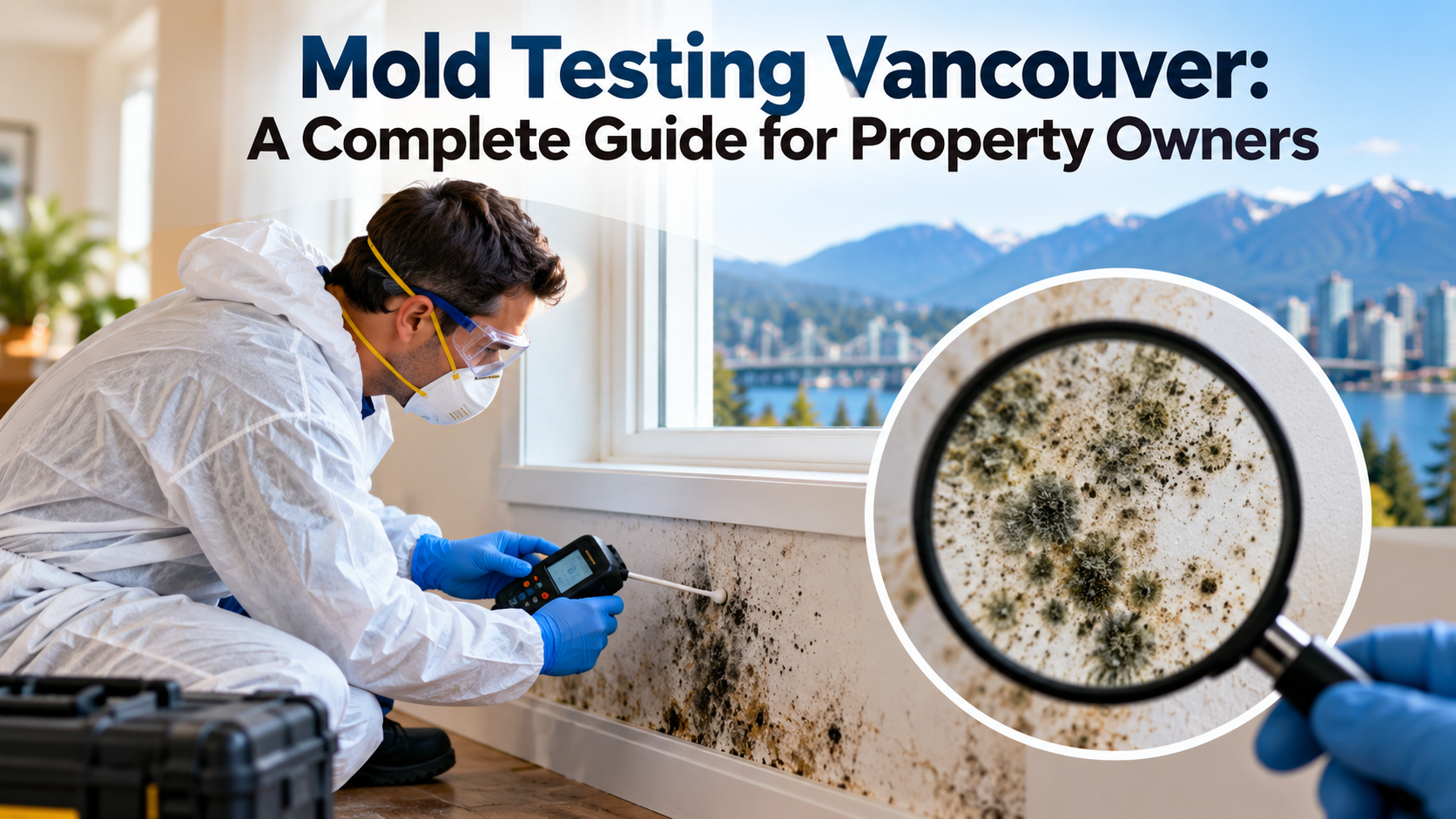
Mold can become a serious concern when moisture enters a home, office, commercial building, or other property. In Vancouver, where wet weather and high humidity can contribute to moisture problems, mold testing in Vancouver can help property owners identify potential mold issues and understand the next steps.
Mold is not always visible. It can grow behind walls, under flooring, inside ceilings, around plumbing, or in other areas affected by moisture. Professional mold testing can help determine whether further investigation or remediation is necessary.
What Is Mold Testing?
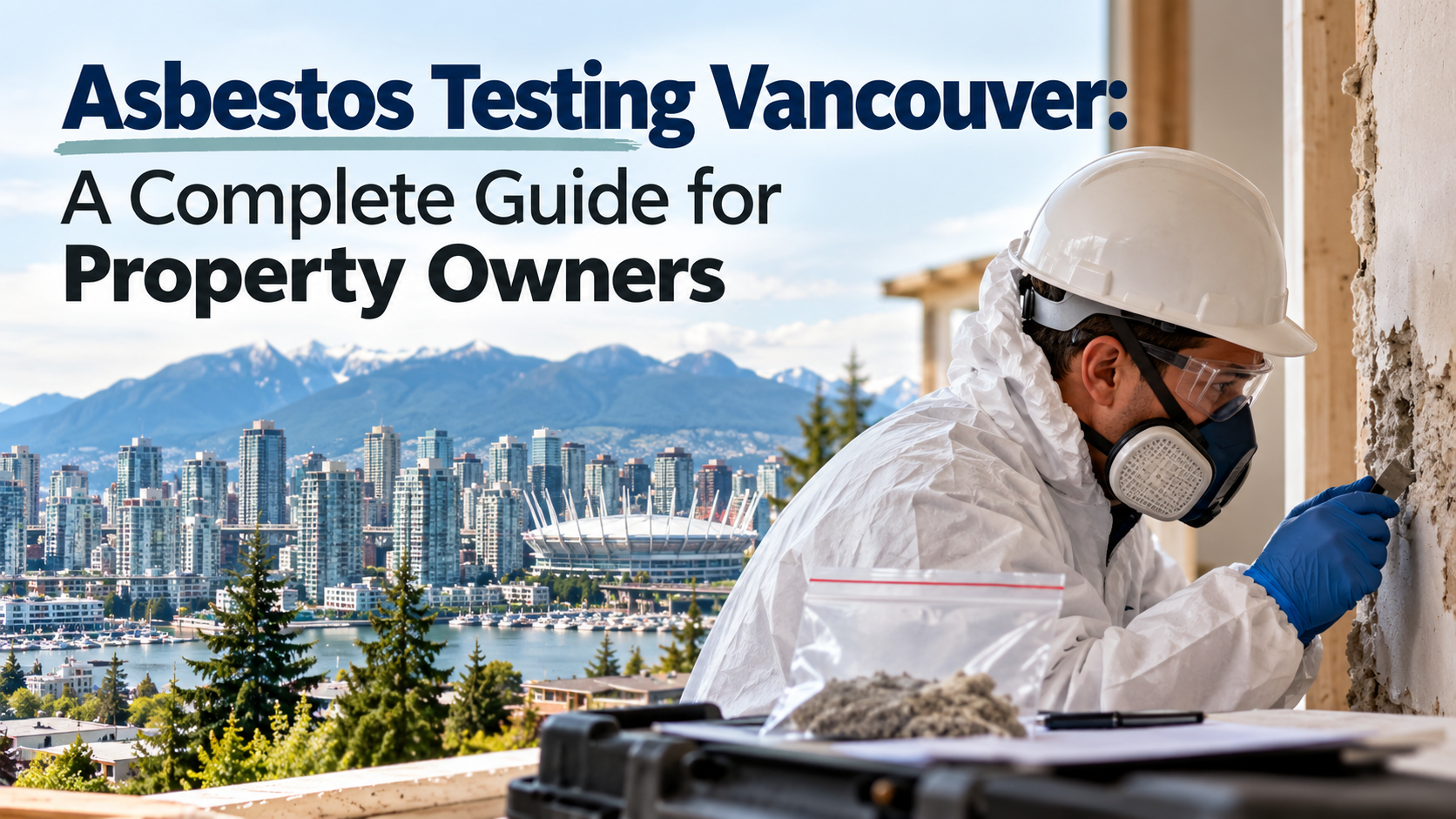
Mold testing is the process of collecting and analyzing samples to determine whether mold or mold spores are present in a property.
Depending on the situation, testing may involve air sampling, surface sampling, or other forms of assessment. A qualified professional can determine which approach is appropriate based on the property's condition and the reason for the investigation.
It is important to understand that testing is only one part of identifying a mold problem. A thorough assessment should also consider visible mold, moisture sources, ventilation, building materials, and the property's history.
Why Is Mold Testing Important in Vancouver?
Vancouver's climate can create conditions where moisture problems develop, particularly in areas with poor ventilation, leaks, condensation, or water intrusion.
Mold may become a concern after:
- Water leaks or flooding
- Roof or plumbing leaks
- Basement moisture
- High indoor humidity
- Condensation problems
- Poor ventilation
- Water-damaged drywall or flooring
- Previous flooding or water damage
- Renovation or construction activities
If you notice a persistent musty smell or unexplained moisture, professional mold testing in Vancouver may help identify whether further investigation is needed.
Signs You May Need Mold Testing
Mold is not always immediately visible. Some common warning signs include:
Musty or Damp Odours
A persistent musty smell may indicate moisture or microbial growth in an area that is not easily visible.
Visible Mold Growth
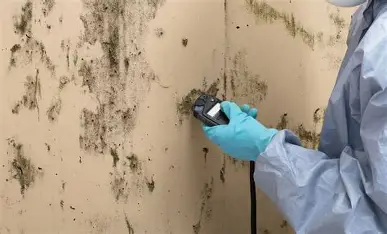
Dark, green, white, brown, or other unusual growth on walls, ceilings, floors, or other surfaces should be investigated, particularly if it continues to return.
Water Damage
Recent or historical water damage can create conditions suitable for mold growth, especially when affected materials were not properly dried.
Recurring Moisture
Condensation, leaks, damp basements, or high humidity can contribute to ongoing mold problems.
Mold Behind Walls or Under Flooring
Mold can sometimes develop in hidden areas following plumbing leaks, flooding, or prolonged moisture exposure.
How Does Mold Testing Work?
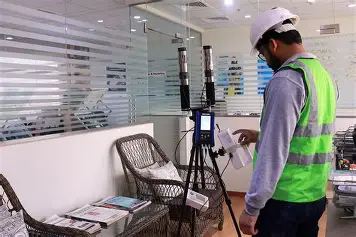
A professional mold investigation generally begins with an inspection of the property and an assessment of potential moisture sources.
Depending on the circumstances, the process may include:
- Property inspection – Areas with visible moisture, water damage, or suspected mold are evaluated.
- Moisture assessment – Professionals look for signs of leaks, elevated moisture, condensation, or other contributing conditions.
- Sample collection – Air or surface samples may be collected when testing is appropriate.
- Laboratory analysis – Samples may be submitted to a qualified laboratory for analysis.
- Results and recommendations – Findings are reviewed and recommendations are provided based on the property's condition.
Testing should be interpreted alongside the inspection rather than treated as a standalone measurement.
Air Testing vs. Surface Testing
Different testing methods can provide different information.
Air testing can help evaluate airborne particles or mold spores at the time and location of sampling.
Surface sampling can help determine whether mold or fungal material is present on a particular surface.
The appropriate testing method depends on the property's circumstances. A professional should determine whether testing is necessary and which type is most useful.
Is Mold Testing Always Necessary?
Not every situation requires extensive mold testing. For example, if visible mold is present and the source of moisture is obvious, the priority may be addressing the moisture problem and removing affected materials appropriately.
Testing may be particularly useful when:
- Mold is suspected but not visible
- There is a persistent unexplained odour
- The extent of contamination is unclear
- There has been significant water damage
- Hidden mold is suspected
- A property is being evaluated after remediation
- Buyers or property owners need additional information about a suspected problem
A professional assessment can help determine the most appropriate approach.
Mold Testing for Homes and Businesses
Mold concerns can affect many types of properties, including:
- Houses
- Condominiums
- Apartments
- Offices
- Retail spaces
- Industrial buildings
- Rental properties
- Commercial buildings
For property owners and managers, identifying moisture problems early can help prevent further damage and reduce the possibility of a larger remediation project.
What Happens After Mold Testing?
If testing or inspection identifies a mold problem, the next step is usually to identify and address the moisture source.
Depending on the findings, recommendations may include:
- Repairing leaks
- Improving ventilation
- Controlling indoor humidity
- Drying water-damaged materials
- Removing affected building materials
- Cleaning appropriate surfaces
- Professional mold remediation
Simply cleaning visible mold without addressing the underlying moisture problem may allow the issue to return.
Choosing a Mold Testing Company in Vancouver
When searching for a mold testing company in Vancouver, consider a provider with relevant experience, appropriate training, professional equipment, and clear reporting procedures.
Before hiring a company, ask:
- What type of inspection will be performed?
- Is sampling necessary for my situation?
- Where will samples be collected?
- Will samples be analyzed by a qualified laboratory?
- Will the report explain the findings clearly?
- Can the company identify potential moisture sources?
- What happens if mold is discovered?
A professional assessment should focus on understanding the cause and extent of the problem rather than simply providing a test result.
Mold Testing and Mold Remediation Are Different
It is important to understand the difference between testing and remediation.
Mold testing focuses on investigating and evaluating potential mold contamination.
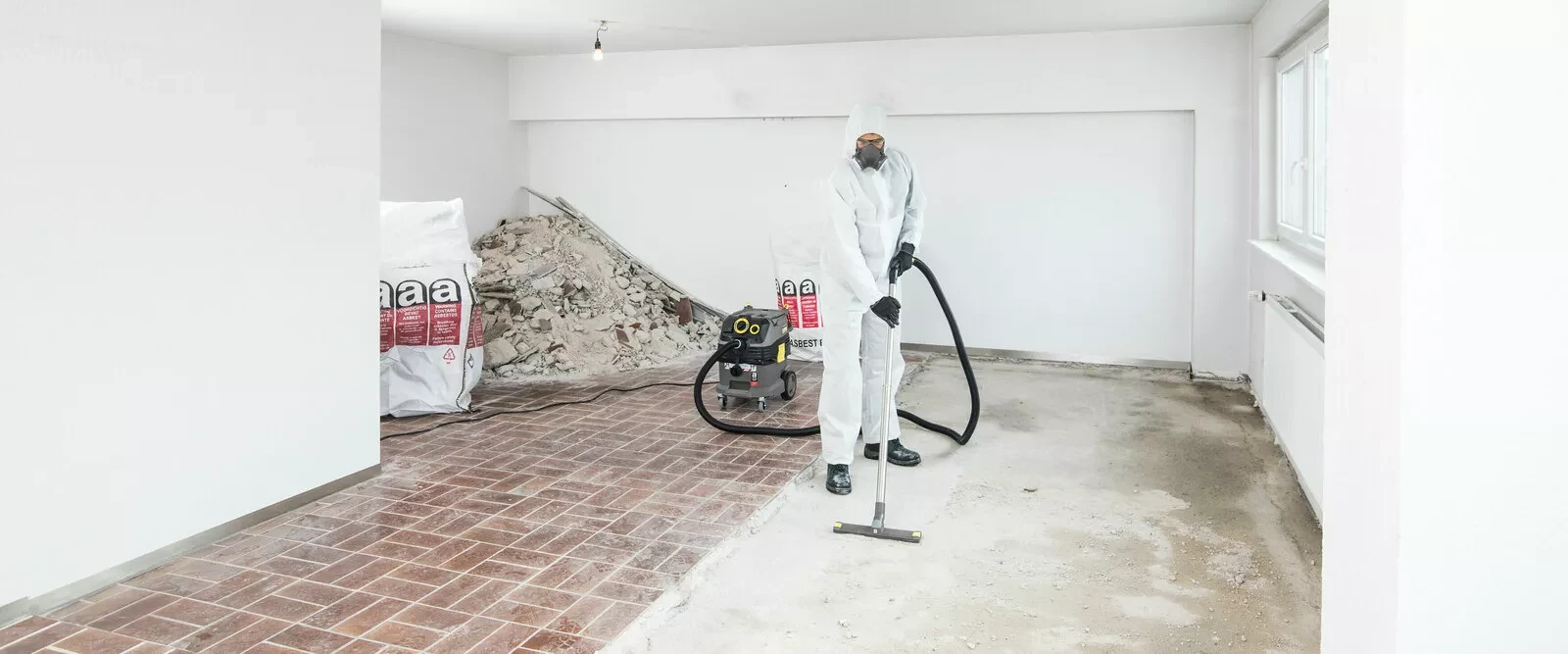
Mold remediation involves addressing the mold problem and its underlying moisture conditions through appropriate cleaning, removal, containment, or other corrective measures.
Depending on the situation, testing may be recommended before or after remediation, but the appropriate process should be determined based on the property and the nature of the problem.
Get Professional Mold Testing in Vancouver
If you suspect mold in your Vancouver property, don't ignore persistent moisture, musty odours, or signs of water damage. A professional assessment can help identify potential problems and determine whether mold testing is appropriate.
Whether you are dealing with a recent water leak, an older building, recurring moisture, or suspected hidden mold, professional mold testing in Vancouver can provide useful information for making informed decisions about your property.
Frequently Asked Questions About Mold Testing Vancouver
How can I tell if I have mold in my home?
Visible growth, musty odours, water damage, and recurring moisture can indicate a potential mold problem. However, hidden mold cannot always be identified through visual inspection alone.
How long does mold testing take?
The time required depends on the size of the property, the number of areas being assessed, and whether samples need to be collected and analyzed.
Does mold testing identify the source of moisture?
Testing itself may not identify the underlying moisture source. A thorough property inspection can help identify leaks, condensation, ventilation problems, or other contributing conditions.
Can mold grow behind walls?
Yes. Mold can develop in hidden areas following water leaks or prolonged moisture exposure. Professional assessment may be appropriate when hidden mold is suspected.
How much does mold testing cost in Vancouver?
The cost depends on factors such as property size, inspection requirements, sampling methods, and the number of samples required. Requesting a professional assessment is the best way to obtain an accurate estimate.